

When Is the Best Time for Tree Trimming in Massachusetts?
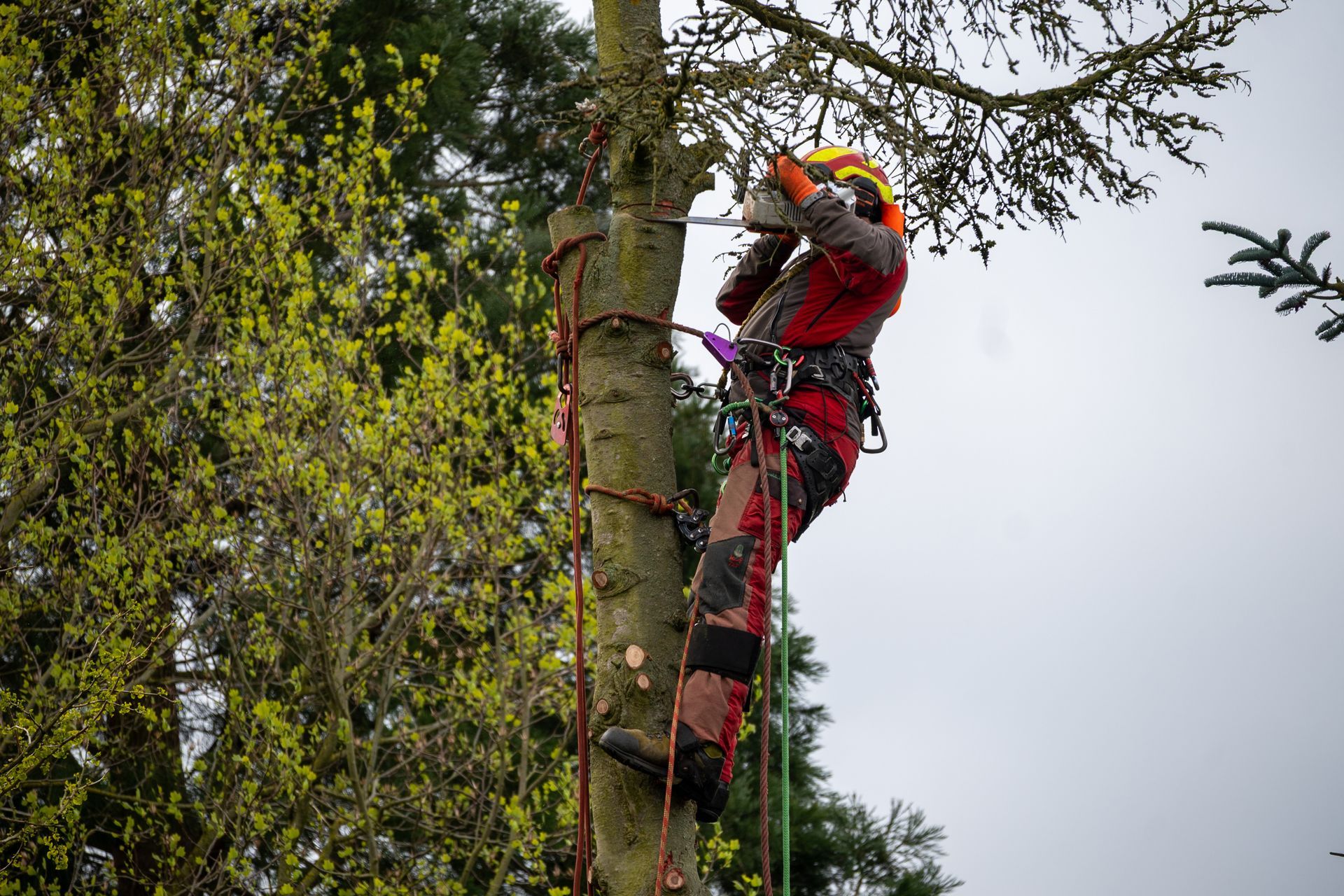
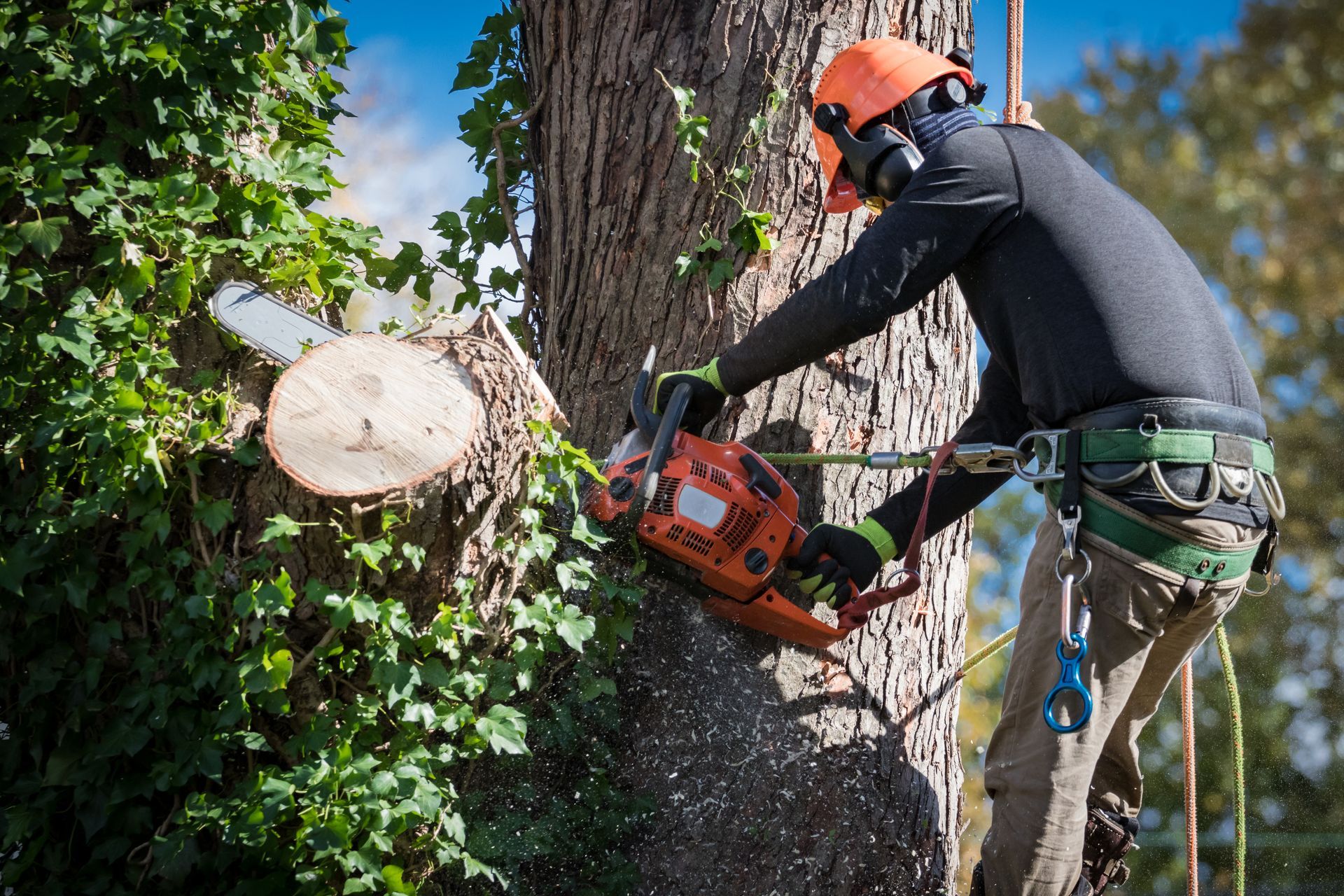
Timing your tree trimming correctly can protect your trees' long-term health and help you avoid costly damage from New England's unpredictable weather. For homeowners in Dedham, MA, and the surrounding Norfolk County communities, knowing when to schedule tree trimming can mean the difference between thriving trees and stressed, disease-prone ones. This guide walks through the best windows for trimming common trees in the region.
Why Late Winter and Early Spring Are the Best Times to Trim Trees
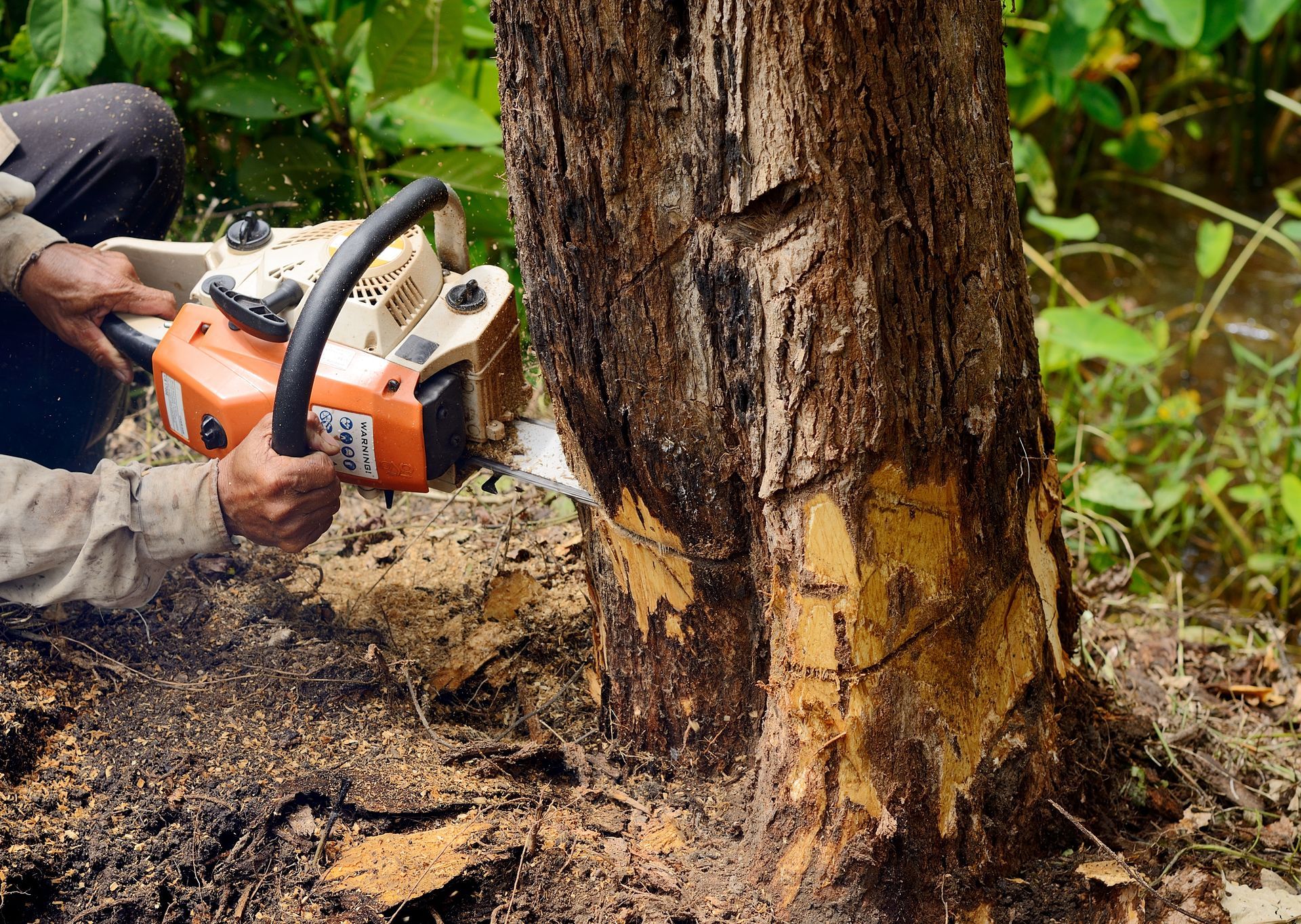
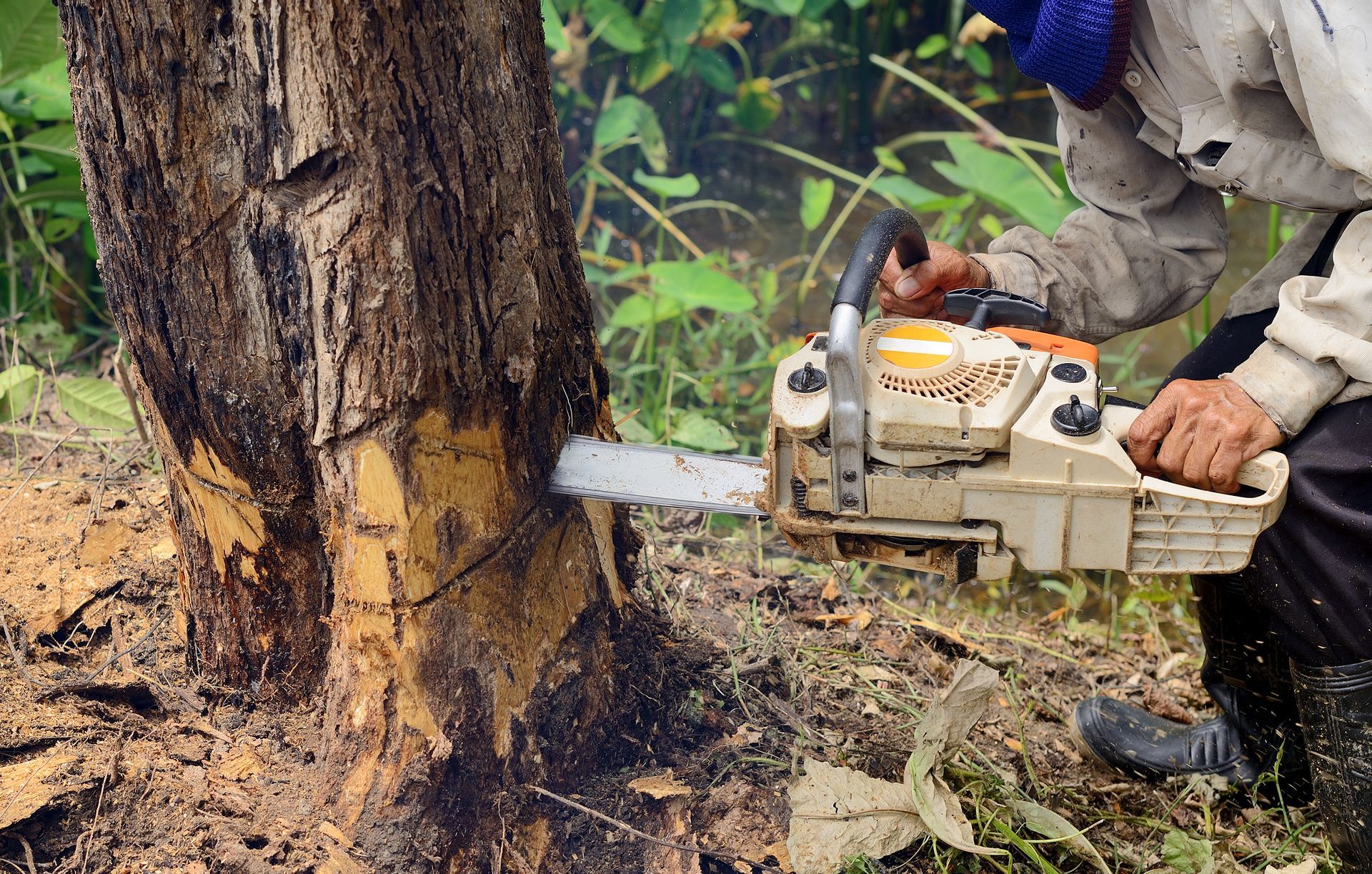
Late winter through early spring is generally the ideal time for tree trimming in Massachusetts. During this dormant period, trees have stopped actively growing, which reduces stress on the plant and limits the sap loss that can occur with warm-season cuts. Frozen ground also makes it easier for crews to access your property without damaging turf or garden beds.
Trimming before new buds emerge gives your trees a head start. Once spring arrives, the fresh cuts can heal quickly as growth energy kicks in. For Dedham homeowners, scheduling tree trimming in late February or March can help your trees better withstand spring rains and early storms.
What Happens When You Trim Trees in the Wrong Season?
Summer Trimming Can Stress Your Trees
Trimming during peak summer growth is generally not recommended for most species. Removing too much foliage when a tree is actively photosynthesizing can reduce its energy reserves. Heat and drought conditions, which Norfolk County can experience in July and August, compound that stress and may slow wound closure.
Fall Trimming Carries Disease Risks
Fall is one of the riskiest times to trim certain trees in Massachusetts. Fresh cuts made in autumn may not close before winter sets in, potentially leaving entry points for fungal diseases and wood-boring insects. Oak trees, in particular, should not be trimmed late in the season, since open wounds can attract the beetles that spread oak wilt. Maple trees, common throughout Dedham neighborhoods, tend to "bleed" heavily when cut in late winter, but this is generally harmless. Norway spruce, found throughout Norfolk County properties, typically tolerates trimming in late winter or early summer when new candles have hardened.
Species-Specific Notes for Dedham Area Trees
Getting the timing right often comes down to the specific tree on your property. Here are general guidelines for trees commonly found in the Dedham, MA, area:
▸ Oak trees should be trimmed between December and March to reduce disease risk.
▸ Sugar and red maples do best with late winter trimming, before sap flow peaks.
▸ Norway spruce may be trimmed in late winter or after new growth hardens in early summer.
▸ Ornamental shrubs and flowering trees should generally be pruned just after they bloom.
Emergency Trimming Can Happen Any Time
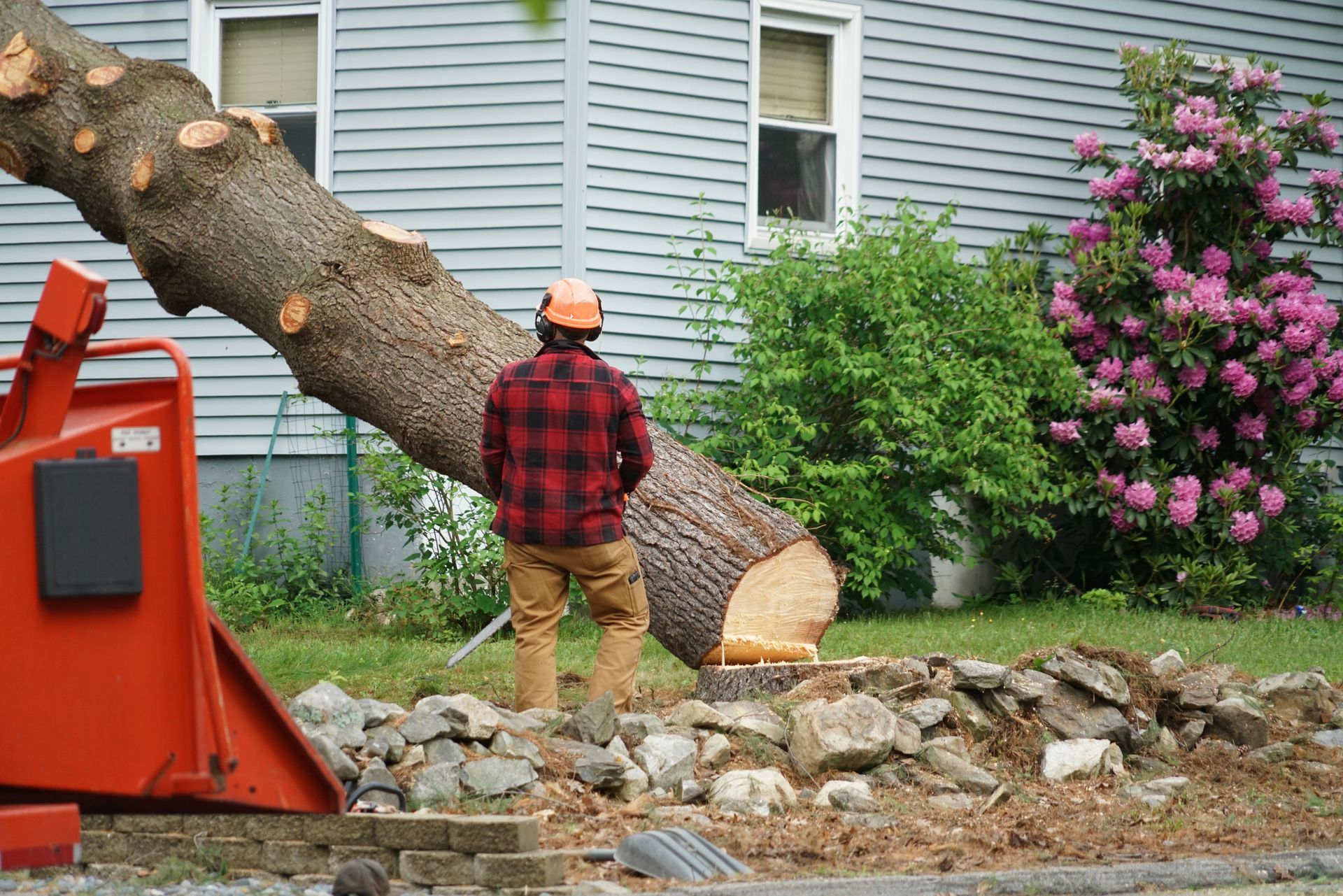
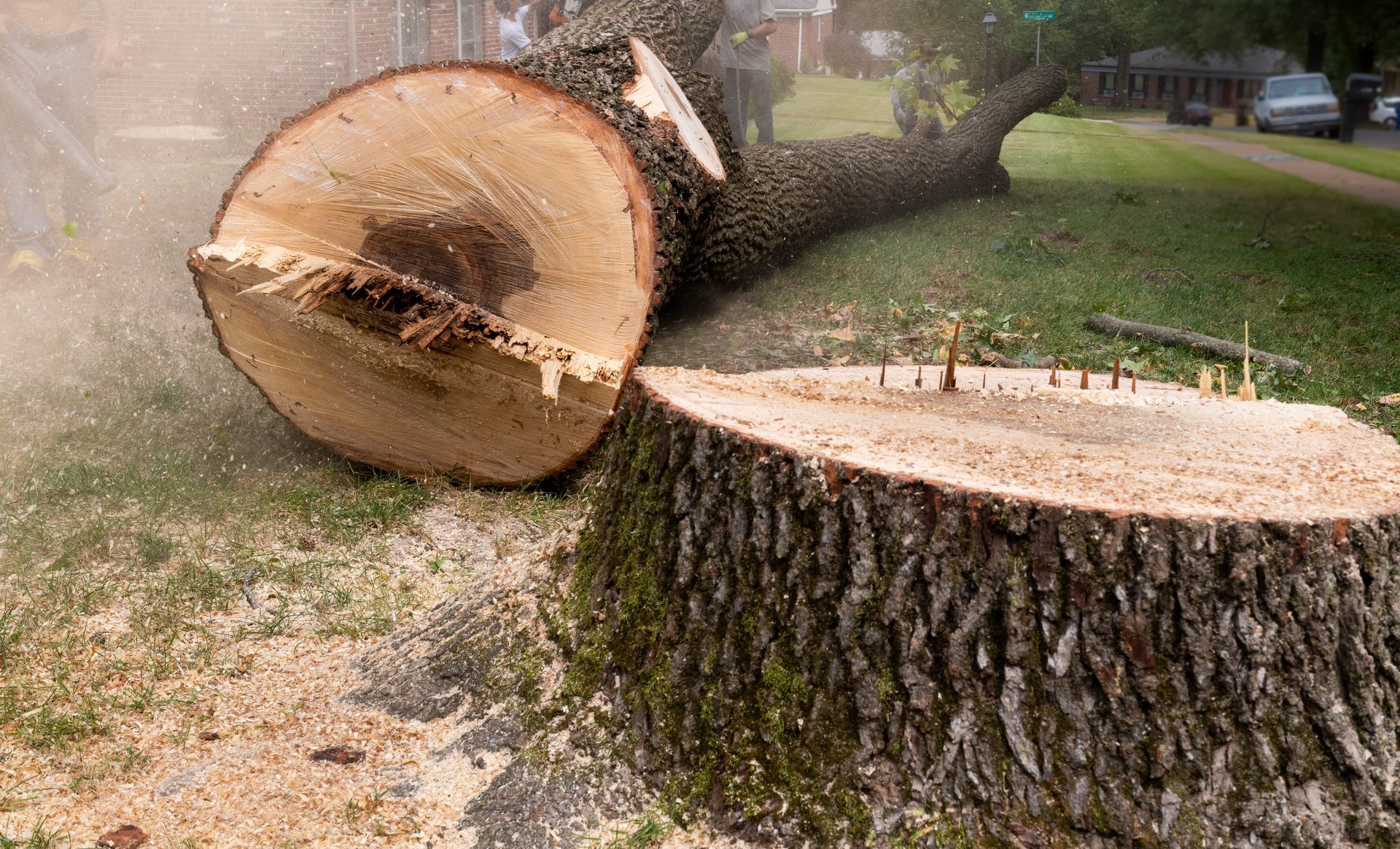
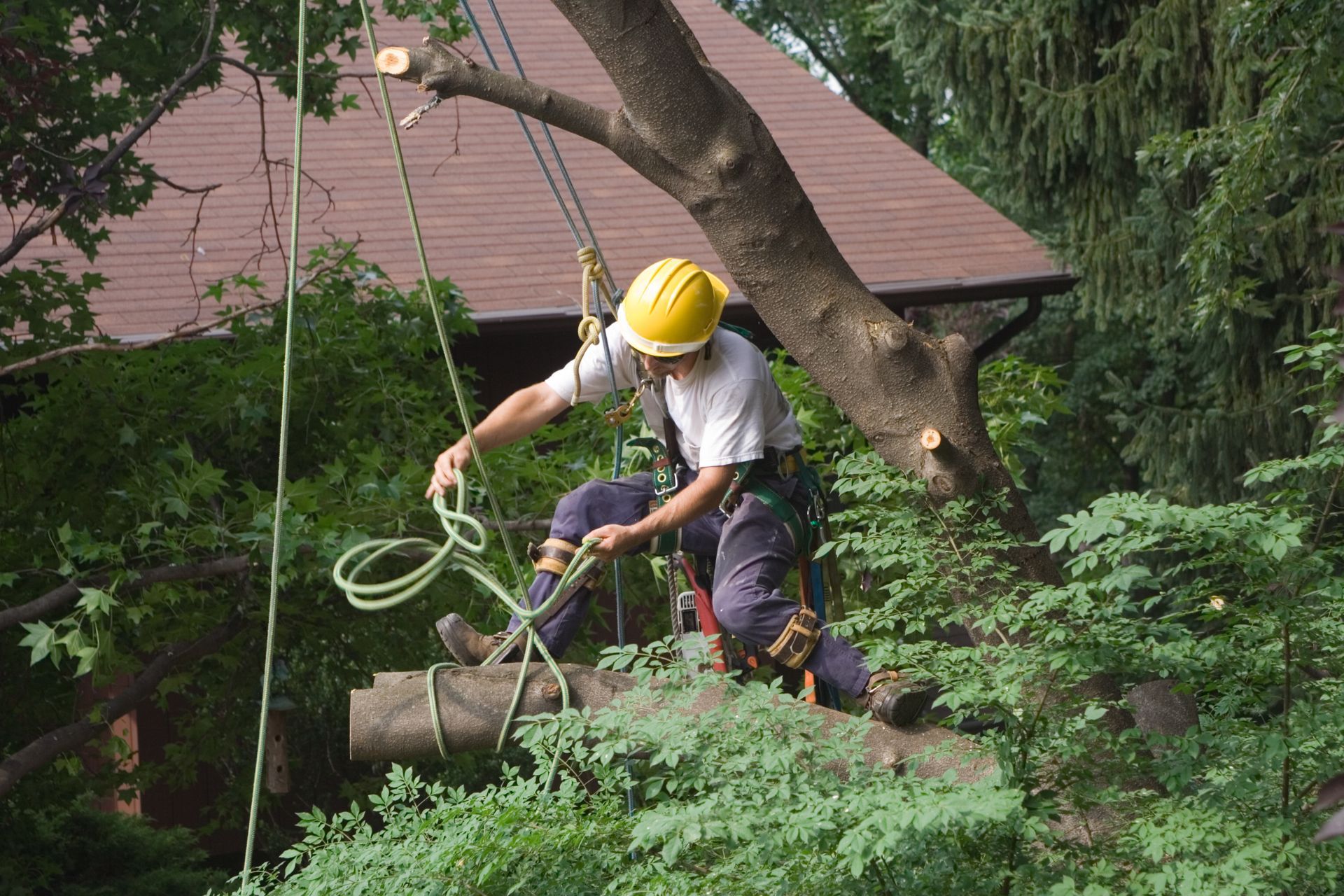
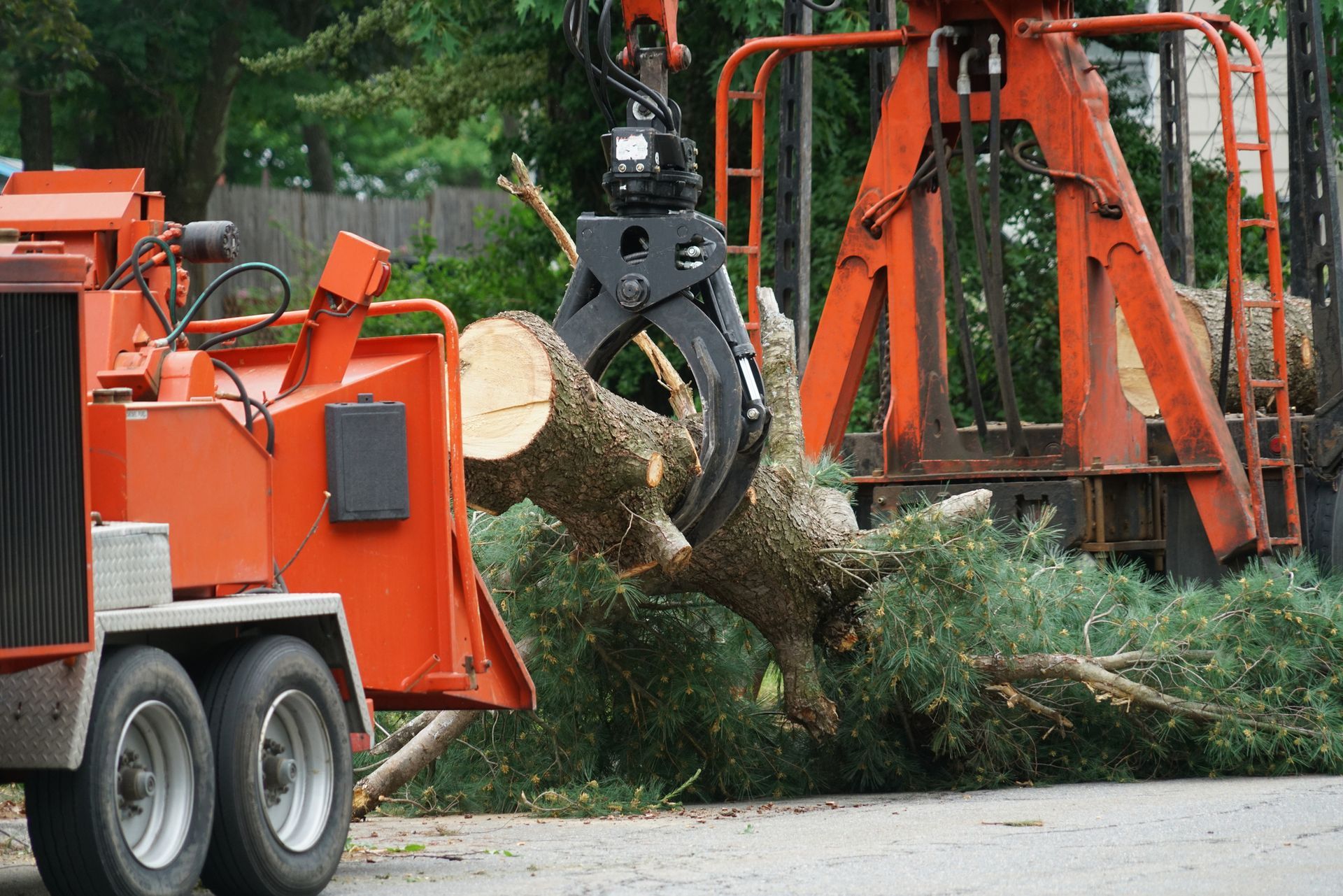
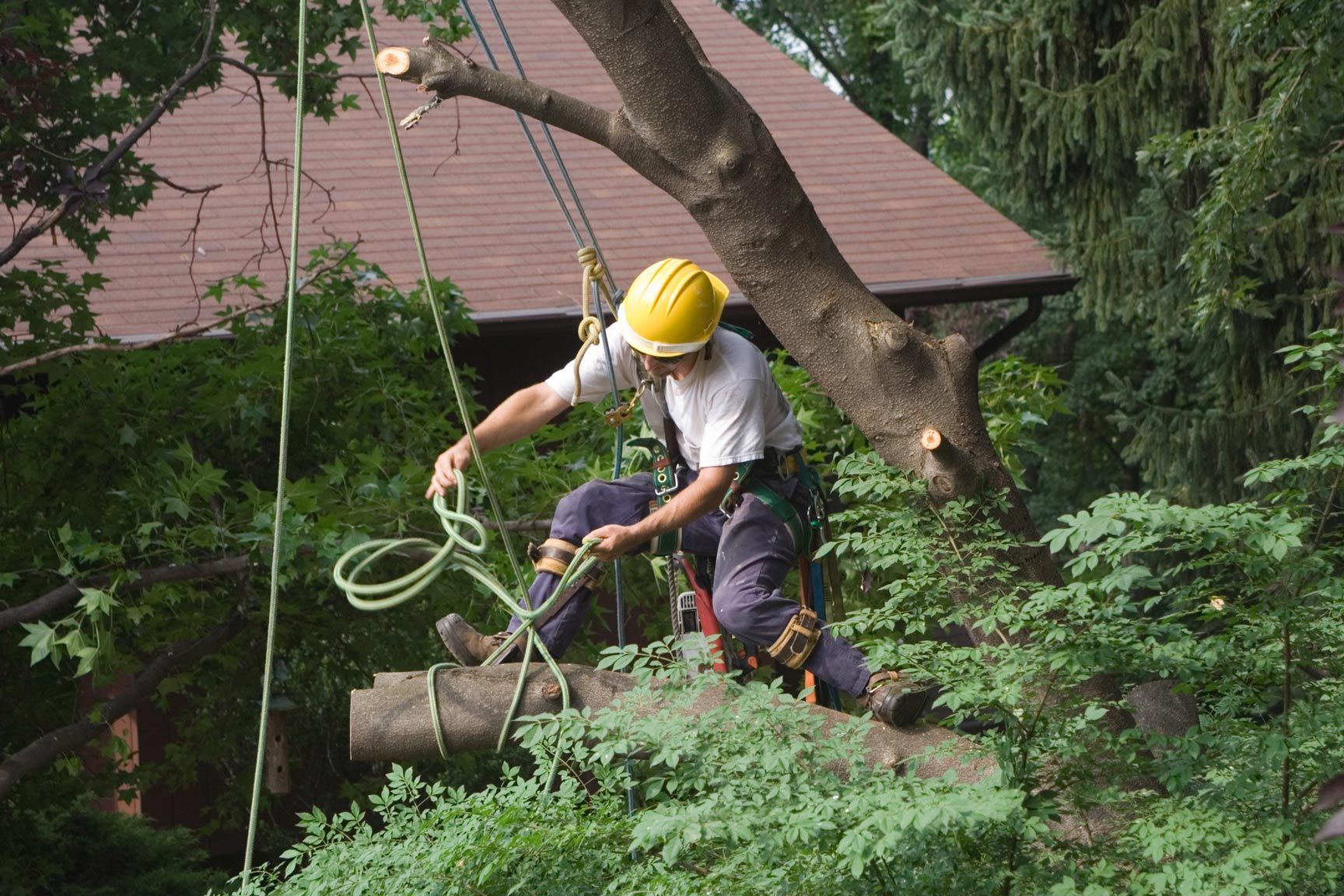
Storm damage does not wait for the ideal season. New England's nor'easters, ice storms, and summer thunderstorms can split limbs or bring branches down onto homes, driveways, and power lines at any point during the year. Professional tree trimming teams can assess and remove hazardous branches safely regardless of the season. Prompt response limits further damage and reduces liability risks for property owners.
Schedule Your 2026 Spring Trimming Appointment Today
The window for optimal dormant-season tree trimming in Dedham, MA, is already here. Booking early can help you secure a spot before schedules fill up for spring.
Royer Tree Service, Inc., serving Dedham and the surrounding area since 1965, offers free estimates, 24-hour emergency assistance, and experienced crews equipped for jobs of any size. Call
781-329-8494 to schedule your free estimate,


 781-329-7664





